

Skin Cancer in New Zealand
Why skin cancer matters here
New Zealand has the highest skin cancer rates in the world. Melanoma incidence in New Zealand is around two to three times higher than in Canada, the United States, and the United Kingdom — driven by our high UV index, outdoor lifestyle, and predominantly fair-skinned population. More than 90% of melanoma cases in New Zealand can be attributed to UV radiation exposure.
The good news: When detected early, the vast majority of melanomas can be successfully treated.
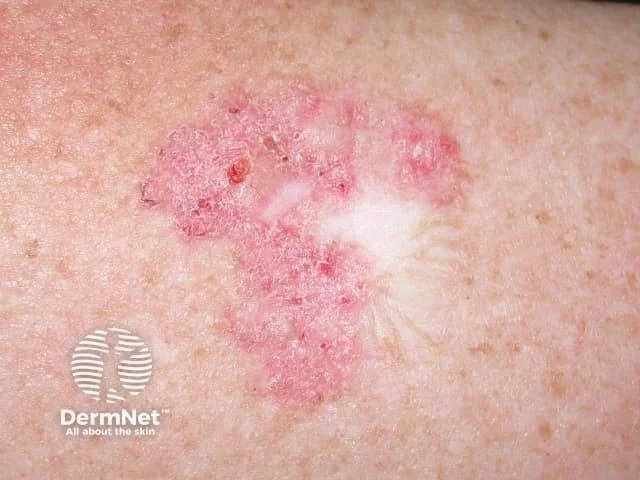
Basal Cell Carcinoma (BCC)
The most common skin cancer. BCC rarely spreads but can cause significant local damage if left untreated. It typically appears as a pearly or translucent lump, a pink scaly patch, or a pale scar-like area.
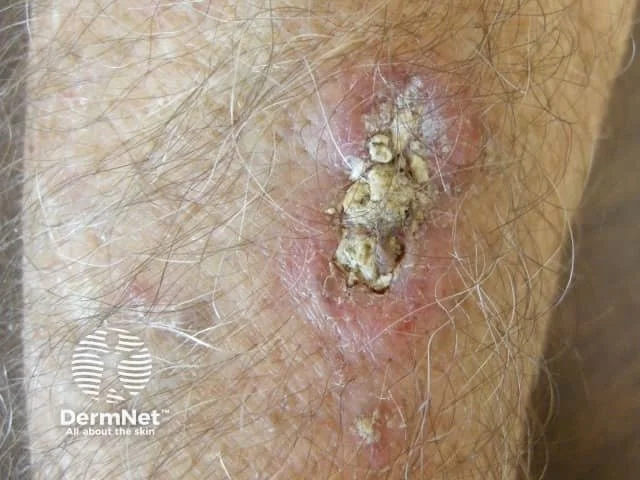
Squamous Cell Carcinoma (SCC)
The second most common skin cancer. SCC can spread to lymph nodes and other organs if not treated early. It often presents as a scaly, crusted, or ulcerated lesion on sun-exposed skin.
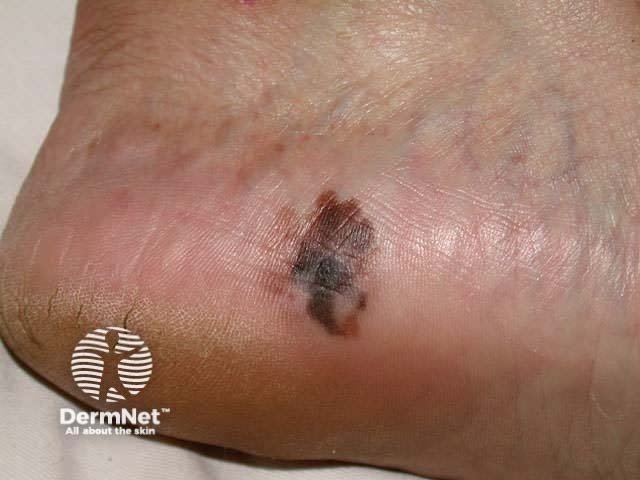
Melanoma
The most dangerous form of skin cancer due to its ability to spread rapidly. Melanoma most commonly appears as a new or changing mole or dark spot. In NZ, the most common site in men is the back and in women the leg. Early detection is critical.