
Why is it important to protect your skin and have regular screening?
The skin is the largest organ of the body with a surface area of about 2m2.
The skin serves as a barrier against injury from pathogens, mechanical and chemical injury and radiation from the sun.
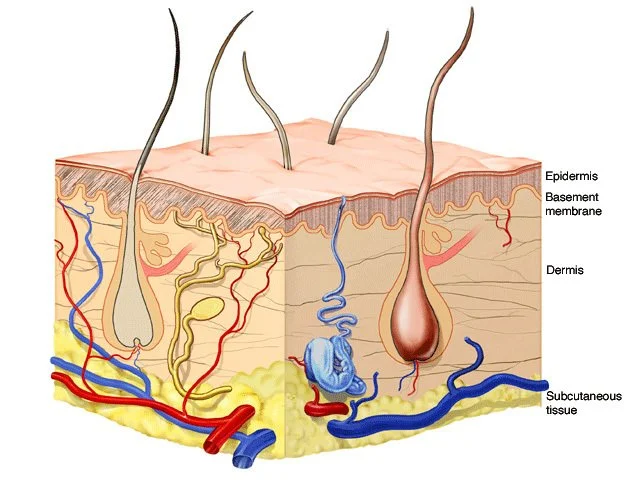
Tumours in the skin can arise from any cells present in normal skin or they may be metastatic lesions originating from other organs.
Skin cancers are malignant tumours that arise from proliferation on any one of the skin cell types.
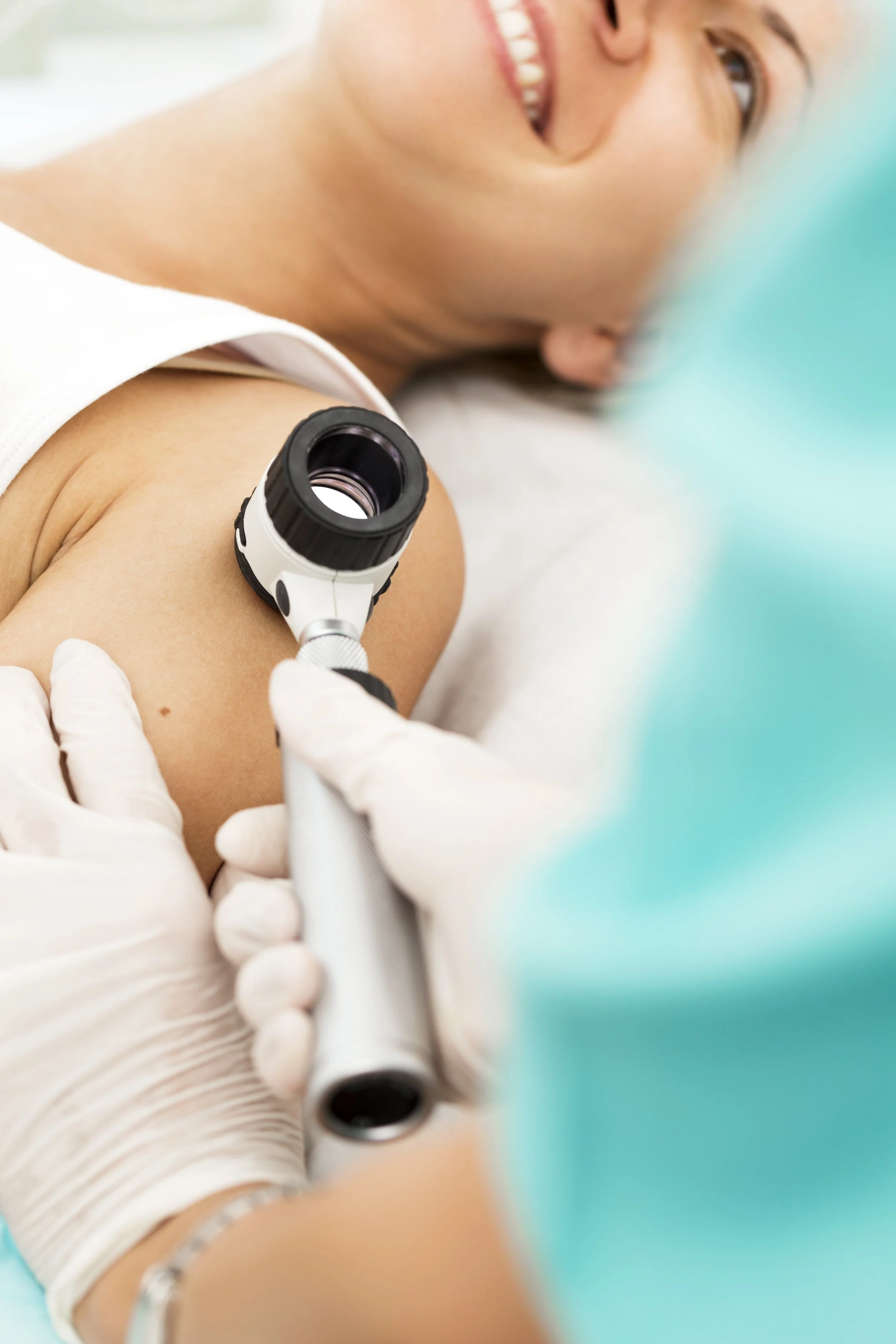
There are melanoma and non-melanoma skin cancers
Risks for non-melanoma skin cancer
Most skin cancers are in people older than 50. The risk increases as you age, but younger people also get skin cancer.
The cause of most non-melanoma skin cancer is too much exposure to UV light from the sun, sunburns and from using a sunbed.
You have a higher personal risk of non-melanoma skin cancer if you:
have a light skin colour
have blonde, light or red hair, and blue eyes
form freckles and sunburn easily
spent a lot of time outdoors
have had a skin cancer before
have whānau who have had skin cancer
smoke tobacco
have lowered immunity from other health conditions or medicines.immunosuppresion
https://www.healthnz.govt.nz/health-topics/conditions-treatments/cancer/non-melanoma-skin-cancer
The most common non melanoma skin cancers are: Basal cell carcinomas and Squamous cell carcinomas
Basal cell carcinomas
-
"BCCs are very slow-growing and almost never spread to your lymph nodes or other organs — which is what makes them very different from other cancers.
-British Association of Dermatologists (BAD)
However, if left untreated for a long time, they can grow deeper and damage the tissue, cartilage, or bone underneath the skin — especially on the face near the nose, eyes, or ears.
-American Academy of Dermatology (AAD) That's why we want to treat them, even though there is no urgency to panic. -
There are a few different types of BCC:
-PymbledermatologyNodular — the most common; a round, raised, shiny bump
Superficial — a flat, scaly pinkish patch, often on the back or legs
Morpheaform (sclerosing) — looks more like a scar; can be trickier to treat as the edges are less defined
Pigmented — appears darker in colour, less common
-
“Your skin has several layers. The very deepest layer of the outer skin contains cells called basal cells. A BCC is what happens when some of these cells start growing in an out-of-control way. The main cause is years of sun exposure — the UV rays from the sun slowly damage the DNA in these cells over time.” Pymbledermatology
“Here in New Zealand, because of our strong UV radiation, we see a lot of BCCs — especially in people with fair skin.”
-
Once treated, you'll need regular skin checks because having had one BCC means you have a higher chance of developing another one.
We'd also recommend:
Wearing SPF 50+ sunscreen daily American Academy of Dermatology (AAD)
Sun-protective clothing and a hat
Avoiding peak UV hours (10am–4pm)
Regular self-skin checks and coming back if you notice any new or changing spots
-
The main treatment is a small operation under local anaesthetic — you'll be awake but the area will be completely numb. The surgeon removes the BCC along with a small margin of normal skin around it to make sure it's all gone.
-British Association of Dermatologists (BAD)Other options depending on the size and location include:
Curettage and electrodessication — scraping away the cancer and using an electric current to seal the area
Cryotherapy — freezing the lesion
Cream treatments (like imiquimod) — for very superficial, low-risk BCCs PubMed Central (PMC)
Mohs surgery — a specialised layer-by-layer technique used for BCCs in tricky locations like the face, with the highest cure rate
Even if a BCC does come back after treatment, it can usually still be treated effectively.
-American Cancer Society
“
A basal cell carcinoma, or BCC, is the most common type of skin cancer — and in fact, the most common cancer of any kind worldwide.
-British Association of Dermatologists (BAD)
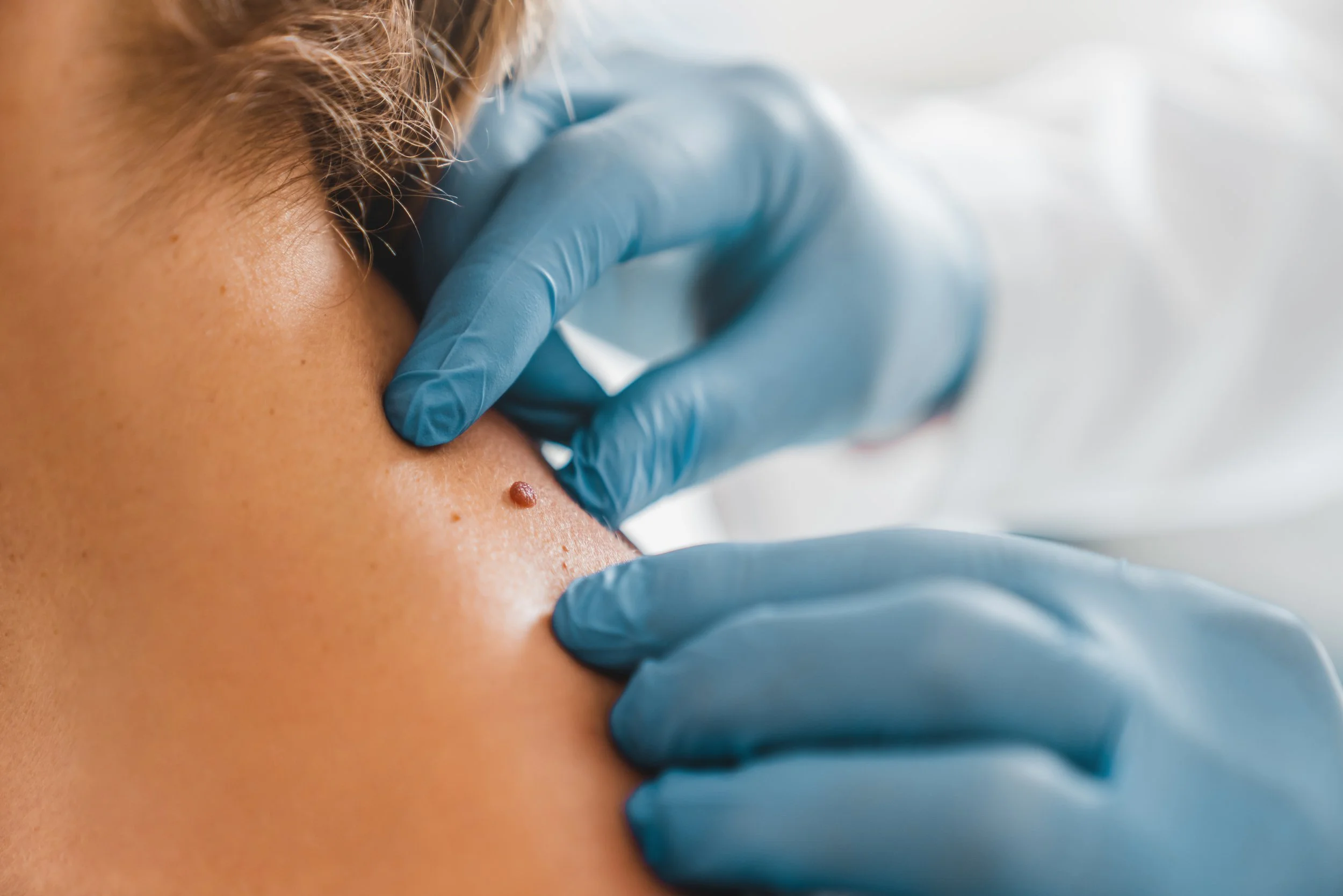
Squamous cell carcinomas
The 2nd most common skin cancer worldwide
•Cervical and Oromucosal SCC are linked with the HPVv virus – not all SCC arise from sundamaged skin
•Small number can be High risk cutaneous SCC can spread and in worst case scenarios, cause death
•75% cutaneous SCC occur in head and neck region
•Anything greater than 2cm diameter is considered high risk
“
The good news is that it is almost always very treatable, and it very rarely spreads to other parts of the body.
-British Association of Dermatologists (BAD)
Risk factors for skin cancer
Sun exposure
Fair skin
High number of moles
Previous history of skin cancer
Occupational/recreational exposure
e.g: Farmers, Builders, Gardeners, Surfers, Truck Drivers…

-
Everyone. Even those with darker skin – nail melanomas are more common in African heritage.
-
No make-up
-
• Between September and April sun protection is recommended (shade, clothing coverage and a hat that shades the face and neck, sunscreen, sunglasses), especially between 10 am and 4 pm.
A daily walk or some other form of outdoor physical activity in the early morning or late afternoon is recommended.
• Between May and August some sun exposure is important. A daily walk or another form of outdoor physical activity in the hours around noon, with face, arms and hands exposed, is recommended.
• People with a history of skin cancer, skin damage from the sun, or who are taking medicines that affect photosensitivity should use sun protection (shade, clothing coverage and a sun-protective hat, sunscreen, sunglasses) all year round.
• Sun protection should also be used throughout the year when at high altitudes or near highly reflective surfaces such as snow or water.
• Use of sun beds and solaria is not recommended because they are associated with increased risk of early onset melanoma. The risk increases with greater use and an earlier age at first use.